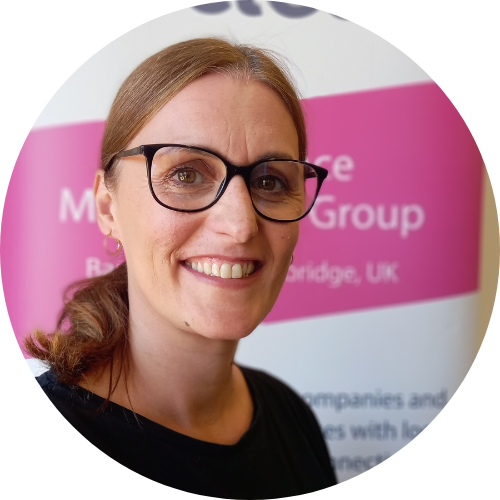
by Philippa Clark, Director of Business Development, One Nucleus
Capital efficiency is one of those topics that seems to come up everywhere at the moment. It’s discussed on panels, debated in investor meetings and frequently raised in networking conversations, yet despite how often we hear the term, I was curious to explore what it really means in practice.
Is it possible to be both lean and ambitious? Does capital efficiency look the same from a founder’s perspective as it does from an investor’s? Also, what lessons can experienced leaders learn from one another when navigating increasingly challenging market conditions?
With those questions in mind, One Nucleus in collaboration with LBIC and Med City recently brought together a group of investors, founders and C-suite leaders for a roundtable discussion focused on capital efficiency.
What I enjoy most about roundtables is the opportunity to move beyond prepared talking points. They create space for honest conversations, different viewpoints and the sharing of real experiences. Participants challenged conventional thinking, spoke openly about both successes and setbacks and explored the practical realities of building and funding companies.
For founders especially, the journey to market can often feel isolating. It was encouraging to see people openly discussing challenges that many leaders face but don’t always talk about. In fact, one founder commented afterwards that the discussion had prompted them to rethink and change part of their business strategy. For me, that perfectly captured the value of bringing together diverse perspectives around the same table.
Some of the key takeaways from the discussion included:
Capital efficiency is a leadership mindset, not just a financial metric. Growing from scientist to company leader means constantly balancing ambition with responsibility, turning great science into milestones that build confidence and attract support.
Think like a shareholder. Markets move in cycles and even the strongest science needs a disciplined plan behind it. Ask yourself honestly: Would I invest in this right now?
Protect your runway by making the tough calls early. Delaying decisions rarely helps. Redirect resources, pause non‑core work, and act while you still have room to manoeuvre.
Build investor relationships long before you need capital. The best conversations happen when you’re not raising. Early, genuine engagement changes the dynamic and investors start leaning in.
Be clear on your real value proposition. Know which milestones truly moves the needle for your business model. The right investors will value focus and depth.
Sort out the “boring but important” early. Governance, systems, due‑diligence readiness and a data room may not feel exciting, but they save time, protect value and make later transactions smoother.
Build lean teams designed around milestones. Hire for the next inflection point, not for the organisation you imagine two/three years from now.
Manage risk deliberately. Identify stacked risks early and design contingency options. Flexibility becomes your strength, not a compromise.
Stay mission‑driven but grounded in reality. Markets shift, timing matters and strong leadership blends courage with pragmatism.
Use partnerships wisely. Equity is precious, so choose partners who add real strategic value and stay open to adjusting plans as new opportunities or collaborators emerge.
Be intentional and disciplined about how you build your team. Capital‑efficient companies hire only for roles that drive real value; avoid unnecessary headcount, outsource or use fractional experts to access high‑level capability without long‑term cost which can protect runway, prevent team overload and keep your talent aligned to de‑risking milestones.
Use the right type of capital at the right time. As companies approach the clinic, consider exploring whether a debt facility could complement equity. Equity is best used to create value and hit data‑driven milestones, while carefully structured debt (taken on at the right stage) can extend runway without unnecessary dilution.
While these insights were valuable in their own right, what stood out most was the quality of the conversation itself. The willingness of investors, founders and leaders to share experiences openly created an environment where people could learn from one another, challenge assumptions and leave with fresh ideas.
As our ecosystem continues to navigate changing market conditions, creating opportunities for these honest conversations has never been more important.
One Nucleus looks forward to hosting more roundtables in the future and continuing to bring together investors, founders and industry leaders to discuss the topics that matter most. By sharing experiences, supporting one another and learning together, we can help build a stronger and more connected innovation ecosystem.